Blog

How to Get an EPCG License in India

How to Get an EPCG License in India

Extended Producer Responsibility (EPR)
Indian exporters often need advanced machinery and equipment to improve production efficiency and compete in international markets. The Government of India supports this objective through the Export Promotion Capital Goods Scheme, commonly known as the EPCG Scheme India. If you are searching for How to Get an EPCG License in India, this guide explains the eligibility, documentation, benefits, and compliance requirements involved in obtaining authorization. The EPCG License India allows businesses to import capital goods at concessional customs duty rates, subject to fulfillment of export obligations. This initiative helps exporters reduce investment costs while increasing manufacturing capabilities and export performance. What is an EPCG License? The DGFT EPCG License is an authorization granted by the Directorate General of Foreign Trade (DGFT). It permits eligible businesses to import machinery, equipment, and…
Read More
How to Get DGFT Registration in Delhi

How to Get DGFT Registration in Delhi

Extended Producer Responsibility (EPR)
Delhi is one of India’s largest commercial hubs, making it a preferred location for businesses involved in international trade. Companies planning to import goods or export products must first obtain the necessary authorization from the Directorate General of Foreign Trade (DGFT). If you are searching for How to Get DGFT Registration in Delhi, understanding the registration procedure can help you start your export-import operations smoothly. Professional service providers like ElectronicsIndia assist businesses in securing DGFT approvals, ensuring complete compliance with foreign trade regulations and minimizing application-related delays. Understanding DGFT Registration DGFT Registration refers to obtaining an Import Export Code (IEC), a mandatory requirement for businesses engaged in importing or exporting goods and services. The IEC serves as a unique business identification number for international trade transactions. Learning How to Get…
Read More
How to Get BIS Certification in Delhi

How to Get BIS Certification in Delhi

Extended Producer Responsibility (EPR)
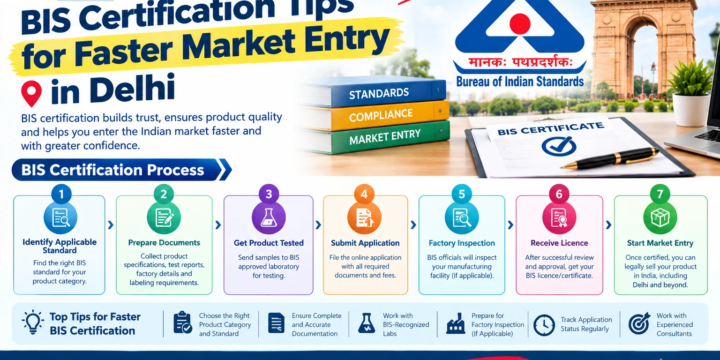
As India continues to strengthen product quality regulations, businesses must comply with standards established by the Bureau of Indian Standards (BIS). If you are searching for How to Get BIS Certification in Delhi, understanding the certification process is the first step toward achieving regulatory compliance and market credibility. BIS certification is required for numerous products, including electronics, electrical goods, industrial materials, and consumer products. Certification ensures that products meet Indian quality and safety standards before they are sold in the market. Understanding BIS Certification The Bureau of Indian Standards Certification Delhi framework helps maintain product quality across industries. Depending on the nature of the product, applicants may need: BIS CRS Registration Delhi ISI Mark Certification Delhi BIS License for Products Delhi Mandatory BIS Compliance Approval Businesses looking for How to…
Read More
BIS Certification in India 2026: Cost and Process

BIS Certification in India 2026: Cost and Process

Extended Producer Responsibility (EPR)
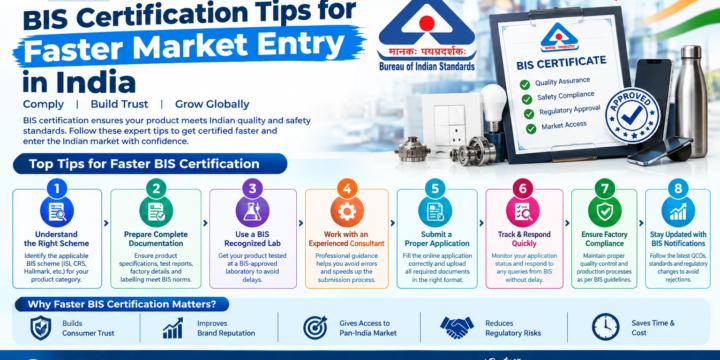
For manufacturers and businesses selling regulated products in India, product compliance is an important part of market entry. The Bureau of Indian Standards (BIS) establishes standards and conformity assessment procedures for a wide range of products. Depending on the applicable regulation, manufacturers may need a BIS license, registration, or another form of conformity approval before their products can be marketed. Understanding BIS Certification in India 2026: Cost and Process enables manufacturers and importers to determine their obligations and prepare their applications properly. The applicable requirements can vary according to the product category, Indian Standard, manufacturing location, and certification scheme. Therefore, businesses should assess the applicable requirements before beginning the certification procedure. Importance of BIS Certification BIS certification helps demonstrate that a product has been assessed against relevant Indian Standards. For…
Read More
How to Get FMCS Certification in India

How to Get FMCS Certification in India

WPC
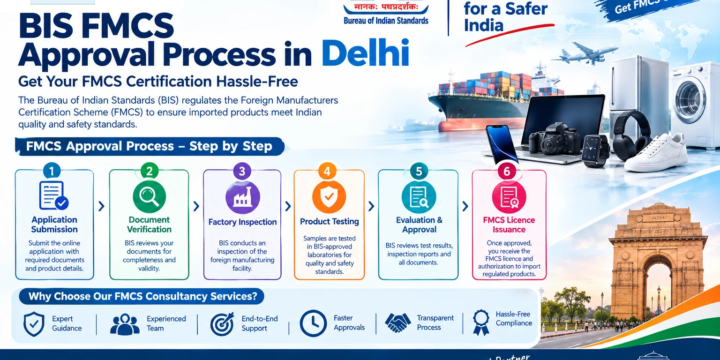
Foreign manufacturers looking to expand into the Indian market must comply with various regulatory requirements established by the Bureau of Indian Standards (BIS). One of the most important approvals is certification under the Foreign Manufacturers Certification Scheme (FMCS). Understanding How to Get FMCS Certification in India helps overseas companies enter the Indian market legally and efficiently. The FMCS Certification India framework allows foreign manufacturers to obtain a BIS license and use the BIS Standard Mark on products that comply with Indian Standards. This certification assures regulators, distributors, and consumers that imported products meet prescribed quality and safety requirements. Many global manufacturers choose professional compliance support from ElectronicsIndia to navigate the complex certification process and achieve timely approvals. What is FMCS Certification? The BIS FMCS Certification scheme is designed specifically for…
Read More
How to Get Used Oil EPR Registration in India

How to Get Used Oil EPR Registration in India

Extended Producer Responsibility (EPR)
India is strengthening its environmental regulations to encourage responsible waste management and recycling practices. One of the major developments in recent years is the implementation of Extended Producer Responsibility (EPR) for used oil. Businesses involved in producing, importing, marketing, collecting, or recycling lubricating oil must understand How to Get Used Oil EPR Registration in India to comply with legal requirements and environmental standards. The EPR framework ensures that producers take responsibility for the end-of-life management of products, including waste lubricating oil. Understanding How to Get Used Oil EPR Registration in India helps businesses avoid regulatory issues while contributing to sustainable resource utilization. What is Used Oil EPR Registration? Used Oil EPR Registration India is a compliance requirement introduced to regulate the collection, transportation, storage, and recycling of waste oil through…
Read More
Latest Tyre EPR Updates in India

Latest Tyre EPR Updates in India

Extended Producer Responsibility (EPR)
The Latest Tyre EPR Updates in India are transforming the way tyre manufacturers, importers, and recyclers manage waste tyres. As India strengthens its environmental policies, the Central Pollution Control Board (CPCB) has introduced stricter compliance measures to improve recycling rates and reduce the environmental impact of discarded tyres. For businesses operating in the tyre sector, understanding the Latest Tyre EPR Updates in India is essential for maintaining compliance and supporting sustainable waste management practices. These updates are designed to create accountability throughout the tyre lifecycle and encourage responsible recycling. Understanding EPR for Waste Tyres EPR for Waste Tyres is a regulatory framework under which producers are responsible for the collection and recycling of tyres after they reach the end of their useful life. The objective is to reduce landfill disposal,…
Read More
ISI Mark Certification for Stainless Steel Cookware

ISI Mark Certification for Stainless Steel Cookware

BIS
The demand for stainless steel cookware in India has increased significantly due to changing lifestyles, growing health awareness, and the preference for durable kitchen products. Stainless steel cookware is widely used in homes, restaurants, hotels, catering businesses, and food processing units because it is resistant to corrosion, easy to clean, and safe for food preparation. To ensure that these products meet established quality and safety requirements, manufacturers are encouraged to obtain ISI Mark Certification for Stainless Steel Cookware from the Bureau of Indian Standards (BIS). The ISI Mark Certification for Stainless Steel Cookware is a symbol of quality and compliance that assures consumers that the product has been manufactured according to the relevant Indian Standards. The certification helps manufacturers build trust, improve product credibility, and strengthen their position in the…
Read More
ISI Approval for Stainless Steel Domestic Sinks IS 13983:1994

ISI Approval for Stainless Steel Domestic Sinks IS 13983:1994

Extended Producer Responsibility (EPR)
Stainless steel sinks are an integral part of modern kitchens, offering durability, hygiene, and long-term performance. As quality standards become increasingly important in the Indian market, manufacturers must ensure that their products comply with applicable BIS requirements. ISI Approval for Stainless Steel Domestic Sinks IS 13983:1994 is the recognized certification that confirms a product meets the quality and performance standards established by the Bureau of Indian Standards (BIS). Manufacturers seeking to expand their market presence and strengthen customer confidence should prioritize ISI Approval for Stainless Steel Domestic Sinks IS 13983:1994. This certification demonstrates commitment to quality and regulatory compliance while improving product credibility. Understanding IS 13983 Certification The ISO 13983 Certification is for sinks made from stainless steel that are used in domestic settings. There are specifications under this standard…
Read More
Plastic Waste EPR Authorization in India

Plastic Waste EPR Authorization in India

Extended Producer Responsibility (EPR)
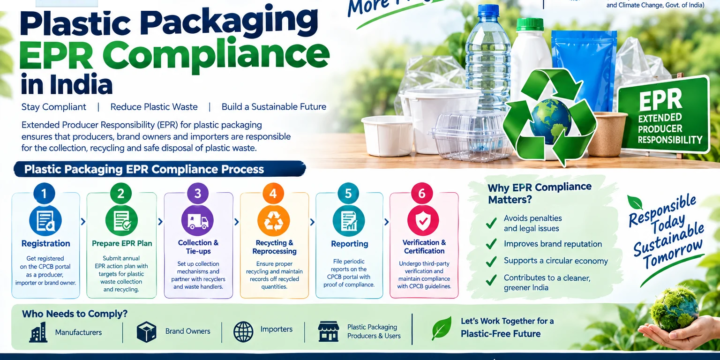
India generates millions of tons of plastic waste every year, making effective waste management a national priority. To address this challenge, the government introduced Extended Producer Responsibility (EPR) under the Plastic Waste Management Rules. Businesses involved in manufacturing, importing, or selling plastic-packaged products must obtain Plastic Waste EPR Authorization in India to comply with environmental regulations and contribute to sustainable waste management. The EPR framework places responsibility on producers, importers, and brand owners to collect, recycle, and dispose of plastic waste generated from their products. Obtaining Plastic Waste EPR Authorization in India is now a mandatory requirement for eligible organizations seeking uninterrupted business operations in the Indian market. Understanding Plastic Waste EPR Authorization Plastic Waste EPR Authorization in India is an approval granted through the Central Pollution Control Board (CPCB)…
Read More